AI
Where AI agents actually earn their keep
Most automation projects stall in the same place, and it is not the model. It is the moment someone has to write down what the work actually is.
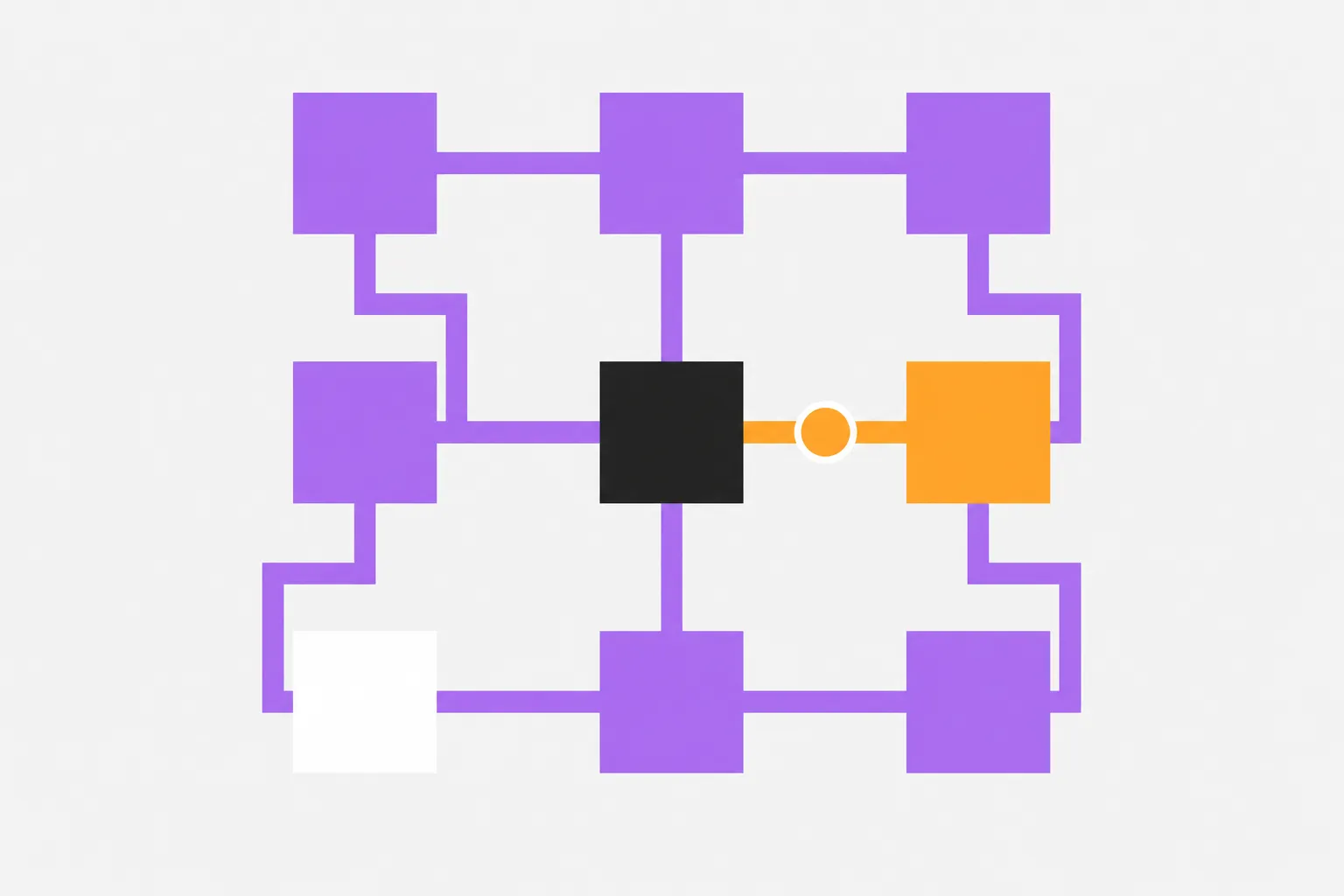
An AI agent is not a person you hire and not a feature you install. It is a process you have agreed to describe precisely enough that something else can run it.
Which is why most automation projects stall in the same place. Not at the model, not at the integration — at the moment someone has to write down what the work actually is.
Automate the handover, not the job
The things people want automated are usually whole roles: case handling, support, procurement. Roles are bundles. Inside each one sit three or four steps that are genuinely mechanical, and one that requires judgement nobody has articulated.
Automating the bundle fails. Automating the handovers — the request arriving, the data being fetched, the draft being written, the case being routed — works, and it leaves the judgement where it was. The person keeps the decision and loses the copying and pasting.
The work that comes before the model
Before this is a technology question it is an inventory:
- Where does the work arrive, and in what shape?
- What does a good outcome look like, stated so that two colleagues would agree?
- What does being wrong once cost, and who notices?
- What has to stay auditable afterwards?
A team that can answer those four can usually automate with something dull and reliable. A team that cannot will not be rescued by a better model.
What we measure
We do not measure whether the agent is impressive. We measure minutes returned to a named person, error rate against the manual baseline, and how often a human overrides the output.
The third number is the interesting one. An override rate that falls to zero usually means nobody is reading the output any more — that is a risk, not a win.
FAQ
- Where does generative AI fit against ordinary automation?
- Generative models are good at turning messy input into structured input, and at drafting. The steps around them — triggers, lookups, routing, logging — are ordinary integration work and should be built as such.
- How small can a first automation be?
- One step of one process, in production, with a person still checking the output. Anything larger and you learn nothing you can act on for months.